At the European Parliament in Brussels, The Parliament and Boehringer Ingelheim brought together policymakers, health experts and stakeholders to examine how Europe can better address the growing burden of cardio-renal-metabolic (CRM) diseases, a group of interconnected conditions, such as diabetes, liver diseases, obesity or chronic kidney disease, that continue to challenge health systems across the European Union.
Opening the discussion, MEP Michalis Hadjipantela (EPP, Cyprus), the host of the event, set the tone by stressing that “cardiovascular, kidney and metabolic diseases cannot be addressed in isolation”. These conditions are interconnected, meaning that dysfunction in one system often accelerates complications in another, leading to higher mortality, increased hospitalisations and rising healthcare costs.
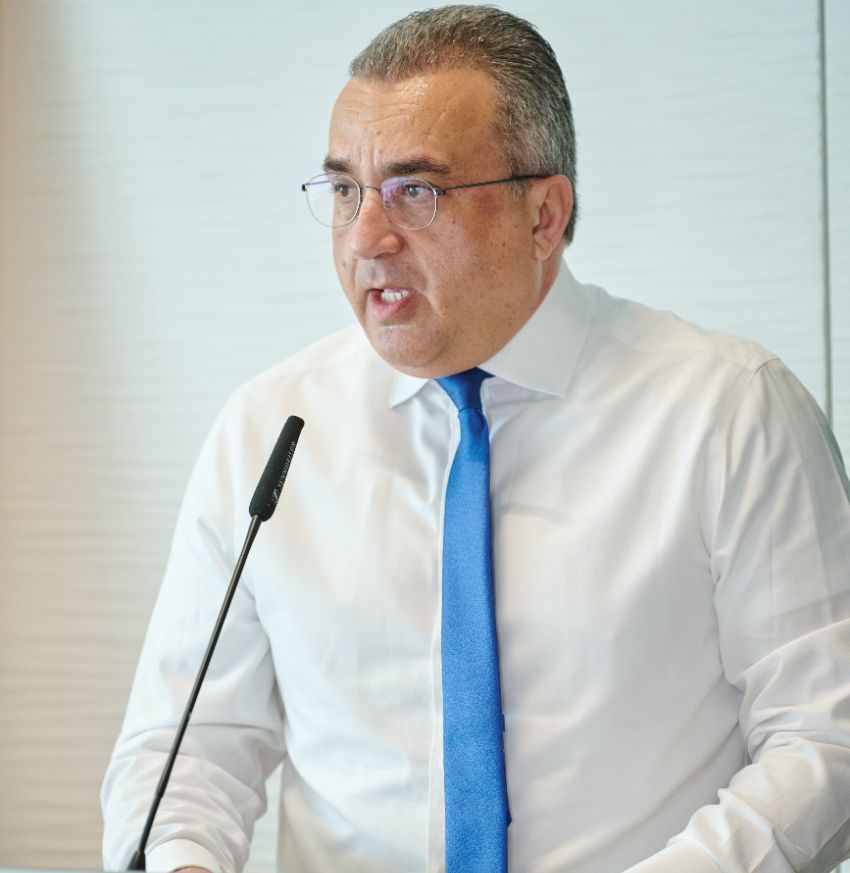 MEP Michalis Hadjipantela (EPP, Cyprus)
Despite this, the link between these conditions remains under-recognised in policy frameworks. New political momentum emerges at EU level, Hadjipantela said, following the announcement in 2025 by the European Commission of the Safe Hearts Plan, which aims at reducing the overall cardiovascular-related mortality in the EU by focusing on the special needs of vulnerable population groups and supporting Member States across different sectors from prevention to care.
The discussion then focused on how to translate ambition into effective and coordinated continental action.
One speaker underlined that the current moment presents a unique opportunity. With the European Commission advancing the Safe Hearts Plan, defining it as a key initiative to help “dealing with the disease burden efficiently”, and recent Council conclusions highlighting cardiovascular health as a “priority, the foundations for action are in place”, with the key aspect to focus on being the delivery.
“There is a clear window to act,” one contribution noted, pointing to the scale of the burden and the availability of data showing worsening trends in some parts of Europe. Without intervention, outcomes are expected to deteriorate further, making prevention and early detection essential. A central theme throughout the discussion was the need to move away from fragmented approaches that focus on individual diseases. Instead, speakers repeatedly called for a shift towards a more integrated model that reflects how these conditions interact in practice.
 Richard Sloggett, Founder and Programme Director at the Future Health Research
One intervention highlighted that health systems and policymaking structures are still largely built around single conditions. “Countries are still focused on specific diseases rather than clusters,” it was noted, despite growing evidence that multi-morbidity is now the norm rather than the exception.
This shift towards a cluster-based approach was widely seen as necessary but complex. It requires coordination across medical disciplines, policy areas and levels of governance, as well as changes to how care is delivered on the ground.
Early detection emerged as another key priority. Speakers pointed to the importance of identifying risk factors such as high blood pressure, diabetes or kidney dysfunction before complications arise. Screening tools already exist and are often simple and cost-effective, yet they remain underused.
We can set ambitious targets, but without monitoring, we cannot measure success
“There is a huge opportunity to detect people earlier,” another speaker stressed, adding that better use of available tools could significantly reduce long-term disease burden.
The discussion also highlighted the role of primary care in this effort. Strengthening primary healthcare systems and equipping them with the right incentives, tools and data was seen as critical to improving prevention and follow-up.
At the same time, participants emphasised the importance of coordinated care. Patients with multiple conditions often navigate fragmented systems, seeing several specialists and receiving overlapping or inconsistent advice. This not only creates inefficiencies but also places a heavy burden on patients.
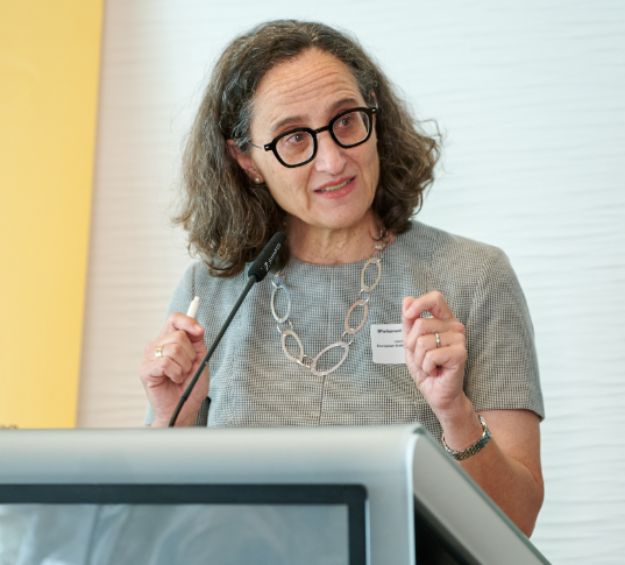 Dr. Valerie Luyckx, President of the European Kidney Health Alliance
“We need to reduce fragmentation,” one contribution stressed, pointing out that a more holistic approach could improve both patient experience and outcomes.
Data and monitoring were repeatedly identified as essential enablers of progress. Without clear indicators and reliable data, it is difficult to assess whether policies are delivering results or to adjust strategies where needed.
“We can set ambitious targets, but without monitoring, we cannot measure success,” one speaker warned.
Several participants highlighted the role of digital tools and artificial intelligence in supporting this effort, particularly in identifying at-risk populations and tracking outcomes over time. However, they also stressed the need for alignment between EU-level initiatives and national health systems.
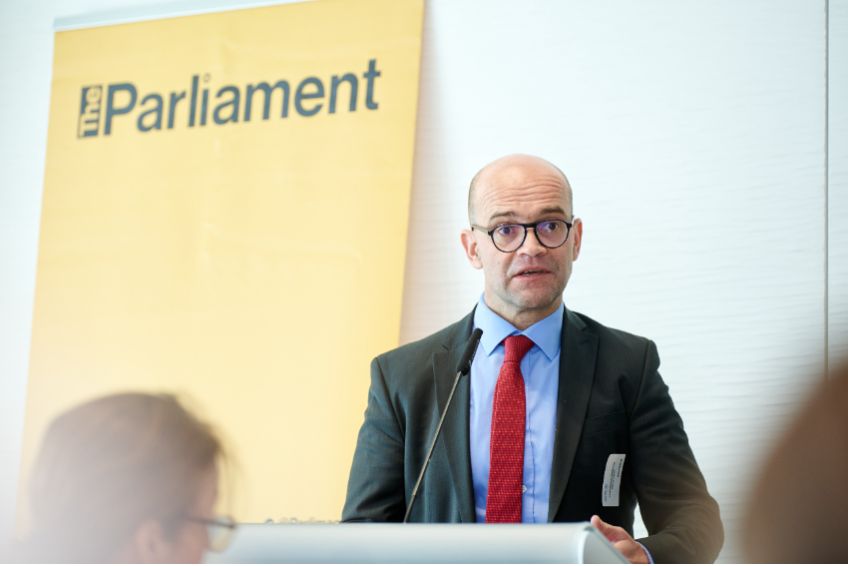 Csaba Kontor, Policy Assistant at the Cabinet of EU Commissioner Olivér Várhelyi
“There must be coherence between what is done at European and national levels,” one intervention argued, adding that shared indicators and common objectives are necessary to ensure meaningful progress.
At the same time, flexibility for member states was seen as equally important. Differences in healthcare systems, epidemiological profiles and resources mean that a one-size-fits-all approach is unlikely to be effective. The challenge lies in combining a common European framework with national adaptation.
The economic dimension of prevention also featured prominently in the discussion. Several speakers emphasised that investing in early detection and treatment can generate significant long-term savings.
There must be coherence between what is done at European and national levels
“Health is an investment,” one participant noted, highlighting evidence that preventive measures can reduce healthcare costs while improving quality of life.
This argument was seen as particularly important in the current policy context, where discussions on competitiveness and economic resilience dominate the agenda. Participants stressed that a healthier population is a prerequisite for a more productive and competitive Europe.
Another recurring theme was the importance of patient engagement. Empowering individuals to manage their own health, supported by new technologies and better information, was identified as a key component of more effective healthcare systems.
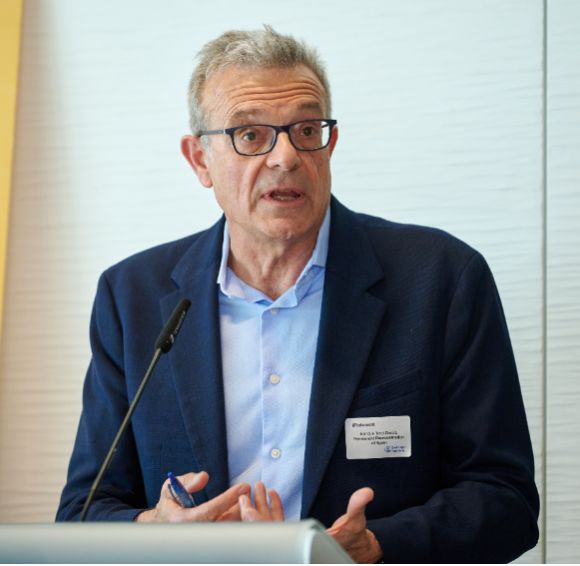 Enrique Terol García, Health counsellor at the Permanent Representation of Spain to the EU
At the same time, participants pointed to the need for further research, particularly on the interconnected nature of chronic diseases. While significant progress has been made in understanding individual conditions, gaps remain in how they interact and how best to address them collectively.
Implementation challenges were also openly discussed. While many of the necessary interventions are already known, the difficulty lies in scaling them up and ensuring they are consistently applied.
“We know what works. The question is why we are not doing it,” one speaker remarked, pointing to barriers such as funding, coordination and political will.
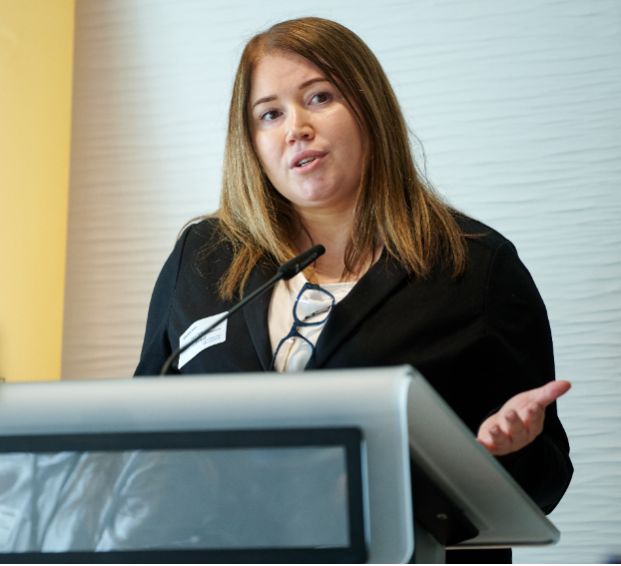 Ewa Piasecka, Counsellor for Public Health, Pharmaceuticals and Medical Device and Head of Health Section at the Permanent Representation of Poland to the EU
The ambition of current EU targets was also highlighted. Reducing cardiovascular mortality significantly over the coming decade is seen as achievable but demanding, requiring sustained commitment and clear prioritisation of interventions.
The discussion concluded with a shared recognition that Europe has both the knowledge and the tools to address CRM diseases more effectively. The challenge now is to ensure that policies are implemented in a coordinated, evidence-based and patient-centred way.
As one participant put it, the focus should now shift from identifying problems to delivering solutions. With political momentum building and growing awareness of the interconnected nature of chronic diseases, the coming years will be critical in determining whether Europe can turn ambition into measurable progress, with the Safe Hearts Plan as a first test.
Read Future Health's report on health policy responses to cardiovascular, renal and metabolic diseases
Sign up to The Parliament's weekly newsletter
Every Friday our editorial team goes behind the headlines to offer insight and analysis on the key stories driving the EU agenda. Subscribe for free here.