At The Parliament’s SMEs Forum 2026, policymakers, industry representatives, and experts came together to discuss the key issues affecting European businesses, including digitalisation, access to finance, and strategic dependencies in critical sectors such as energy and raw materials. The discussions also explored how ongoing EU initiatives, including efforts to simplify regulation and strengthen the single market, could better support SMEs in scaling across borders and contributing to Europe’s long-term economic resilience.
Opening the discussion, Commissioner Ekaterina Zaharieva, Commissioner for Startups, Research and Innovation, underlined the “crucial importance” of the so-called 28th regime, presented by the Commission on the 18th March and aimed at developing a pan-European legal framework for businesses to “incentivise digitalisation and reduce the bureaucratic burdens” that still constrain their potential economic impact.
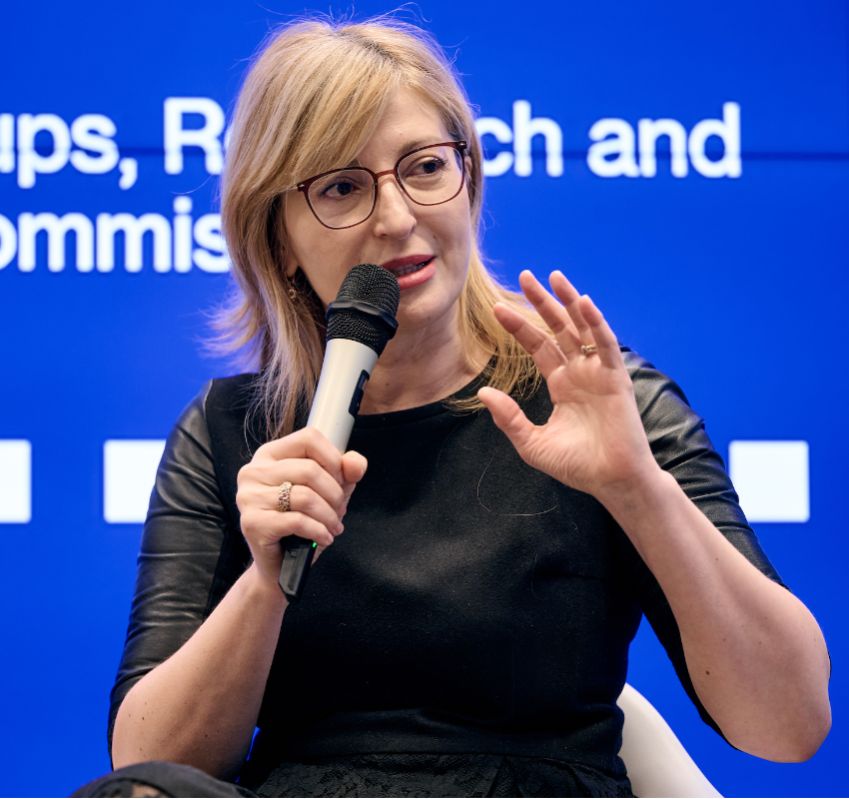 Ekaterina Zaharieva, European Commissioner for Startups, Research and Innovation
Stressing the fragmentation of the single market as the root cause preventing European SMEs from becoming major global players, the Commissioner also highlighted the current geopolitical context in which third countries such as China enjoy a “clear advantage”. She therefore urged Member States to support the proposal as a way for Europe to “strengthen its competitiveness on the global stage”.
The role of China, and in particular Europe’s dependency on its critical raw materials (CRMs) and products such as batteries, also took centre stage during the discussion.
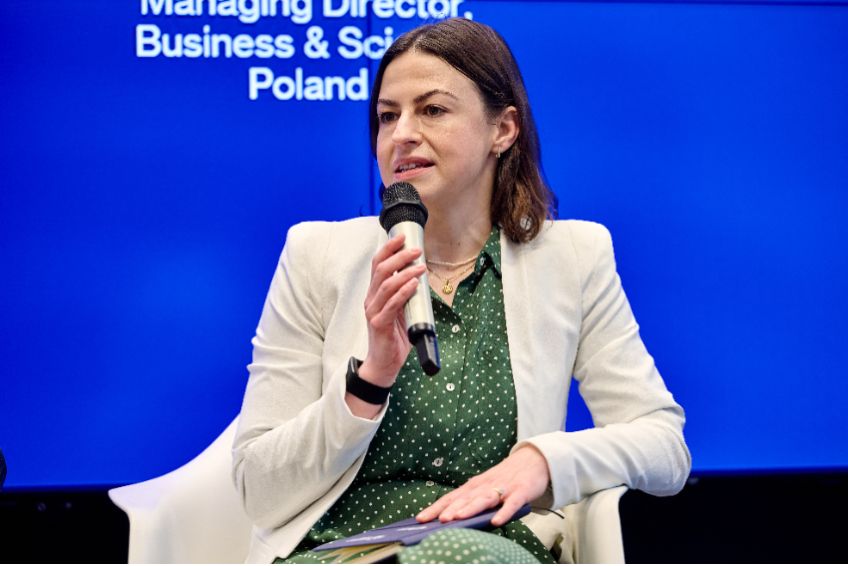 Eszter Batta - Deputy Head of Unit, SMEs, DG GROW, European Commission
Eszter Batta, Deputy Head of Unit for SMEs at DG GROW, shed light on the fact that “only 7% of batteries globally are produced in Europe”, and that although the EU’s manufacturing capacity is increasing, much of the production is not controlled by European companies. “This”, she argued, “limits the full development of the EU battery value chain”. The “Made in Europe” criteria included in the Industrial Accelerator Act (IAA), she added, could therefore represent a turning point.
However, Niclas Poitiers, Research Fellow at Bruegel, warned about the potential unintended consequences of the IAA for the EU’s decarbonisation objectives, arguing that “a better balance must be found between technological sovereignty and climate goals”. He added that the current proposal does not fully achieve this balance, and instead shifted attention to the importance of removing barriers in the single market, as well as India’s potential as a future partner for Europe.
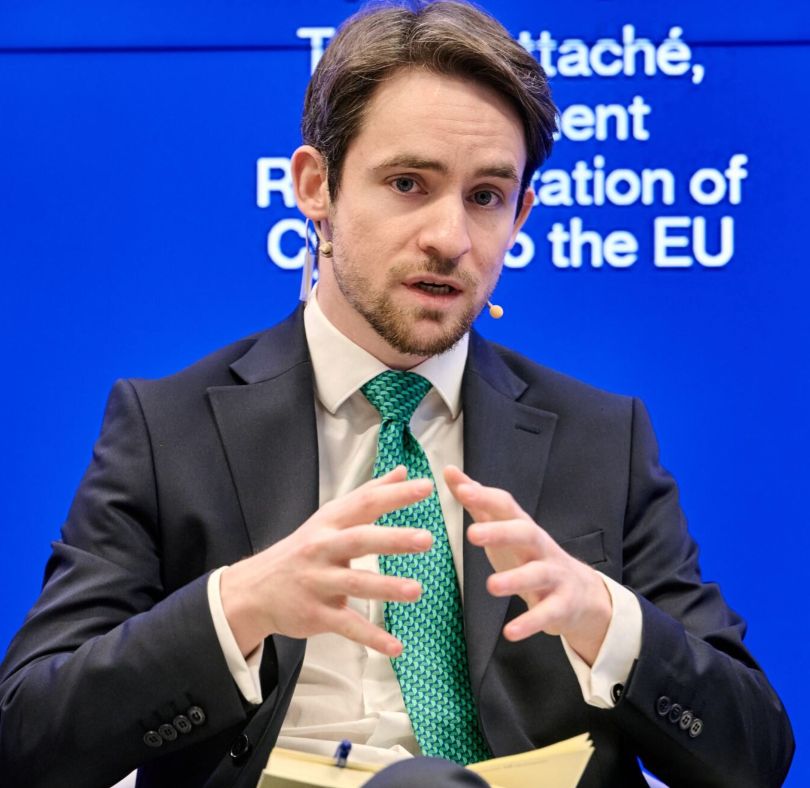 Dionysis Fotopoulos - Trade Attaché, Permanent Representation of Cyprus to the European Union
From a similar perspective, Dionysis Fotopoulos, Trade Attaché at the Permanent Representation of Cyprus, also urged the EU to continue its diversification strategy in trade relations by engaging with more reliable partners, citing the Mercosur agreement as a positive example. He stressed that such diversification could provide SMEs with the “predictability and stability that less reliable partners cannot guarantee in today’s geopolitical environment”. However, he also noted that “a degree of openness towards China remains necessary”, given its influence on downstream EU industries, while reiterating the risks it poses to upstream sectors and calling for concrete EU action.
Turning to energy dependence, critical for supply chains across the board, Witold Strzelecki, Managing Director at Business & Science Poland, highlighted the potential of nuclear energy in Europe from both an energy security and environmental perspective. He also noted that “Poland’s SME ecosystem is expected to benefit significantly from upcoming nuclear projects”, with around 30% of reactor-building contracts projected to go to national firms. He added that SMEs account for 45% of Poland’s export economy, but still face significant barriers when scaling across Europe due to regulatory fragmentation and administrative complexity.
98% of European SMEs have fewer than ten employees
This issue echoed throughout the forum, as speakers across industries and institutions stressed the urgent need for simplification, better access to finance, and a lighter regulatory load.
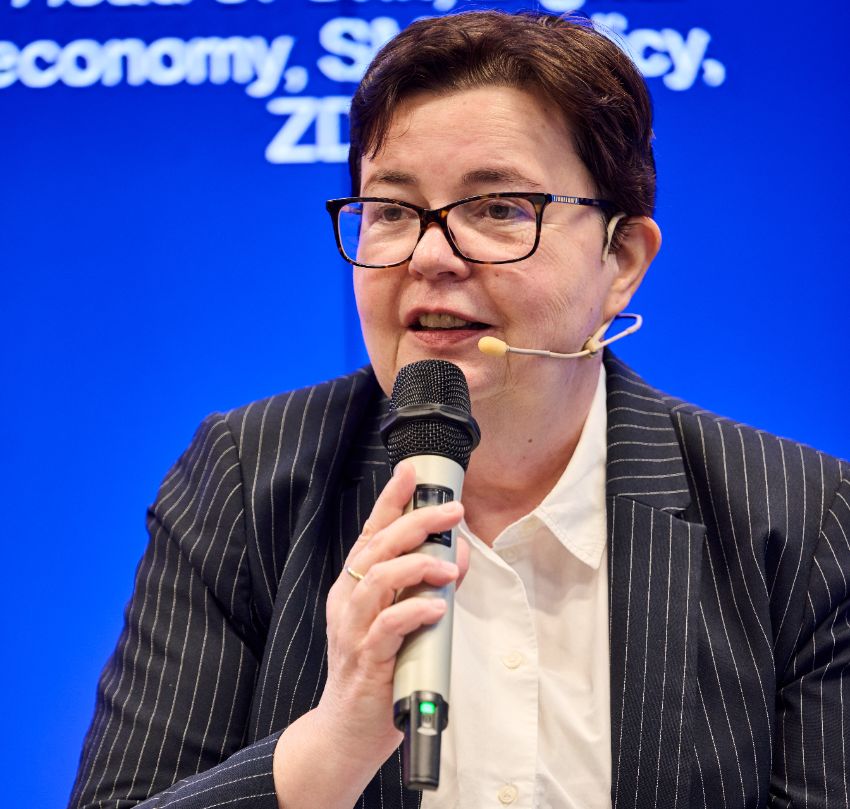
Representing around one million German companies across sectors, Margarete Rudzki, Head of Unit for Digital Economy and SME Policy at ZDH, stressed that “98% of European SMEs have fewer than ten employees” and argued that “their specific challenges are frequently misunderstood at EU level”.
 Marie-Hélène Pradines - Head of Unit, SMEs, DG GROW, European Commission
Moreover, she called for a simplified regulatory environment and stronger digitalisation of the industry, supporting the Digital Leadership Programme, while also advocating for greater technological openness and a shift towards more data-driven business models among SMEs.
From an industry perspective, Derk Bleker, Chief Commercial Officer of Sage, a multinational accounting and payroll software company for SMEs, stressed that “digitalisation is key to productivity gains across SMEs”. He pointed out that significant portions of Europe’s GDP are lost due to slow digital adoption. Based on client data, he then added that “around one quarter of SMEs struggle with cash flow and access to financing”, limiting their ability to scale.
Around one quarter of SMEs struggle with cash flow and access to financing
On payment delays and financing constraints, Marie-Hélène Pradines, Head of Unit for SMEs at DG GROW, noted that the European Commission currently has two proposals on the table, although they remain blocked in the Council. On access to finance, she emphasised the need for public-private partnerships, including through instruments “such as the Scale Up Europe Fund”.
Building on this point, Mariana Ghitoi, Team Leader in the SMEs Unit at DG GROW, highlighted that simplification features in more than half of the initiatives in the Commission’s work programme. She stressed that one of the key objectives of the executive is to do a “house cleaning” of existing legislation and ensure that new proposals are SME-friendly by design, recognising that smaller companies face structurally higher compliance costs.
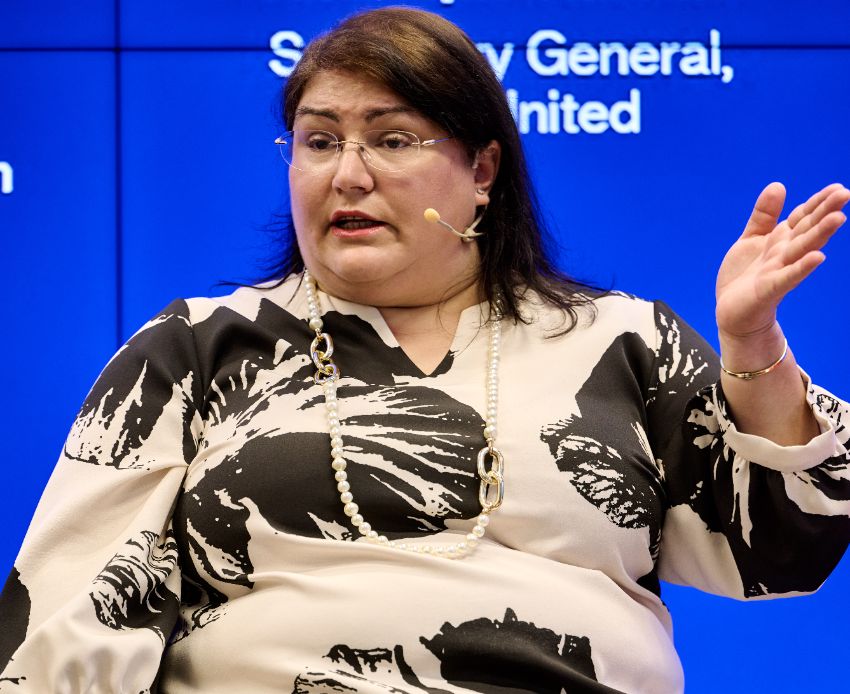 Mariana Ghitoi - Team Leader, SMEs Unit, DG GROW, European Commission
From an SME representative perspective, Véronique Willems, Secretary General of SMEunited, advocated a “Think Small First” approach, calling for feasible requirements tailored to SMEs in all EU policymaking, as well as better guidance tools for entrepreneurs ahead of implementation. She also raised concerns about amendments in the Digital Omnibus Package, particularly regarding the Data Act, arguing that they could limit SMEs’ access to data, which she described as a critical resource in the digital economy.
Finally, Fabian Ladda-Henry, Senior Lead for Government Affairs at Shopify, expressed skepticism towards proposals that either maintain the status quo or introduce restrictive mechanisms that could harm SMEs, including reduced access to cookies and digital tools.
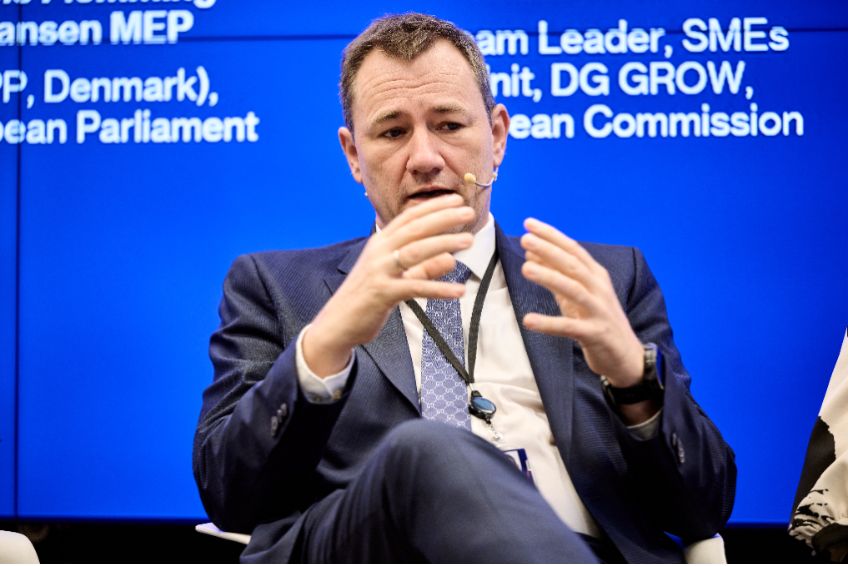 MEP Niels Flemming Hansen (EPP, Denmark)
The discussions highlighted a broad consensus on the need to simplify the regulatory landscape, improve access to finance, and accelerate digitalisation to unlock the full potential of European SMEs. At the same time, differing views on industrial policy, strategic autonomy, and trade diversification underscored the complexity of balancing competitiveness with sustainability goals and EU global positioning.
As the bloc moves forward with its policy agenda, the extent to which these priorities will translate into concrete and coordinated action across Member States remains to be seen.
Sign up to The Parliament's weekly newsletter
Every Friday our editorial team goes behind the headlines to offer insight and analysis on the key stories driving the EU agenda. Subscribe for free here.