This was the main takeaway from a half-day event at the European Parliament on Thursday, 4th December. The action-packed morning of panel discussions and Ted talks on liver health, was organised by ELPA (the European Liver Patients’ Association) was organised by ELPA (the European Liver Patients’ Association). Co-hosting the morning were cross-party legislators from the Parliament’s Committee on Public Health (SANT), Greek MEP Nikos Papandreou of the S&D, and Croatian MEP Tomislav Sokol of the EPP.
In opening the event, ELPA President Marko Korenjak explained how the upcoming EU five-year cardiovascular plan represents “a rare opportunity to ensure liver health is prioritized at the highest level.” Especially including it in the parts dedicated to prevention and screening. With liver disease claiming the lives of two million people a year worldwide, Papandreou called for collaboration among policymakers, healthcare professionals, and patient organizations to create systems prioritizing liver health, stressing the need to address the issue of fragmented care across Europe.
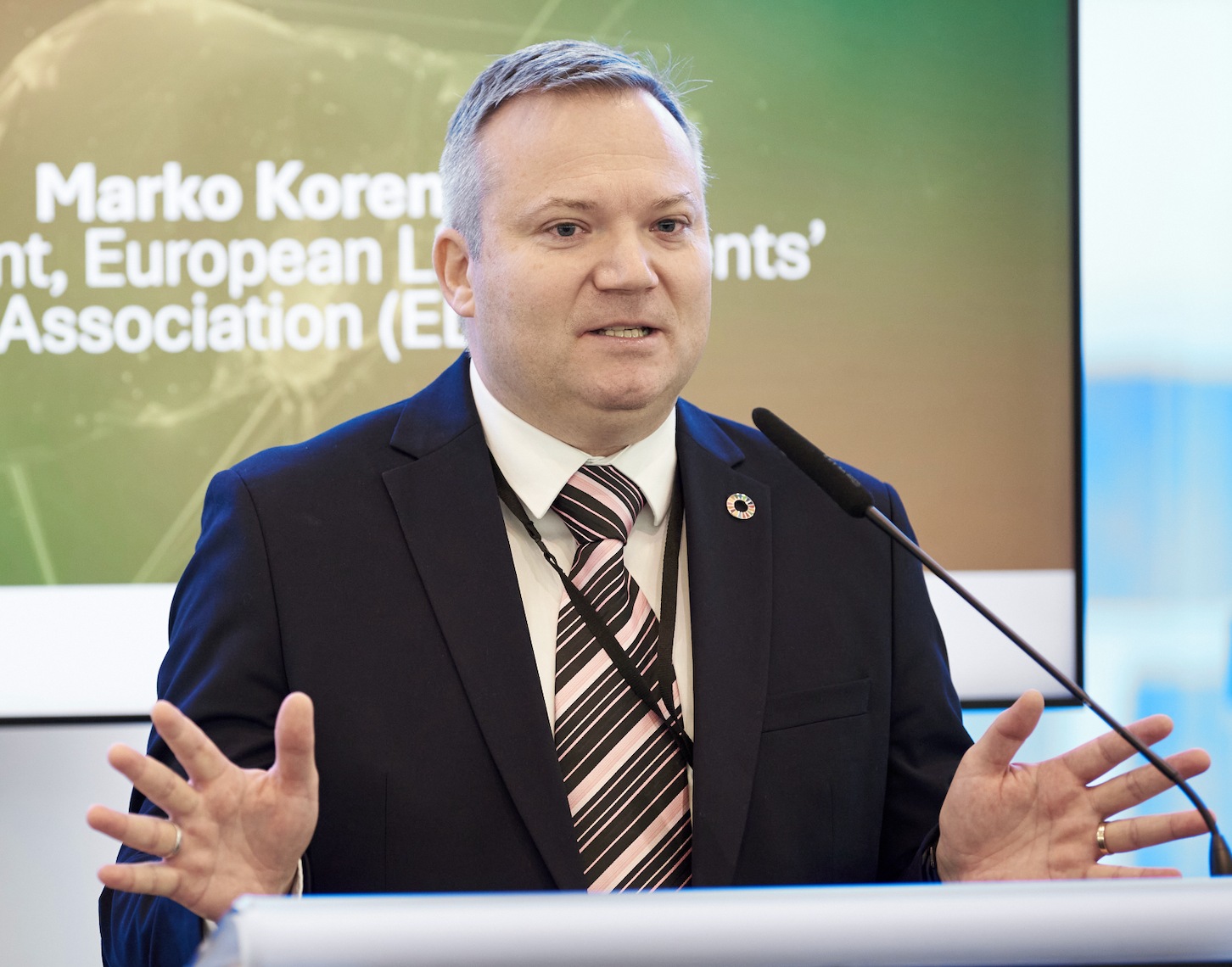 Marko Korenjak (President, European Liver Patients' Association)
To highlight the urgency and ease of early detection, he underwent a non-invasive elastography test during the ELPA European Liver Screening Week in front of the European Parliament. He then invited the ELPA initiative to Piraeus, Athens, making Greece the first EU country to launch this pioneering liver screening effort, bringing prevention and care closer to citizens.
This preceded University of Pavia Prof. Serena Barello’s keynote on ‘Defining Patient Advocacy in Public Health, The Case of Liver Disease’. The Iconic Project, carried on in collaboration with ELPA, demonstrated how patient experiences can be transformed into structured evidence to guide policy. “Listening to patients today should not be considered a courtesy; it should be considered a scientific act,” she emphasised.
Whether it is liver diseases, heart disease, cancer, diabetes, our strategies should include both treatment and prevention, hand in hand to win
By combining biomedical data, behavioural insights, and experiential evidence, policymakers can design interventions work much better for patients. She reiterated the importance of patient-centred, evidence-based policymaking in tackling the scourge of liver disease.
In moderating the following panel discussion, health journalist and practising physician, Sarah-Taïssir Bencharif was on hand to pose questions to Papandreou and Korenjak, alongside former Health Commissioner and now MEP Vytenis Andriukatis, and Frédérick Martinez of Cancer Patients Europe.
 MEP Nikos Papandreou (Greece, S&D)
Andriukatis stressed the importance of meaningfully integrating patient voices into EU health policy, beyond tokenistic inclusion, as well as the need for increased funding in this area. Martinez could also reinforce the panel’s central message that patient voices must be systematically included in EU health policy to ensure that programs are both relevant and actionable.
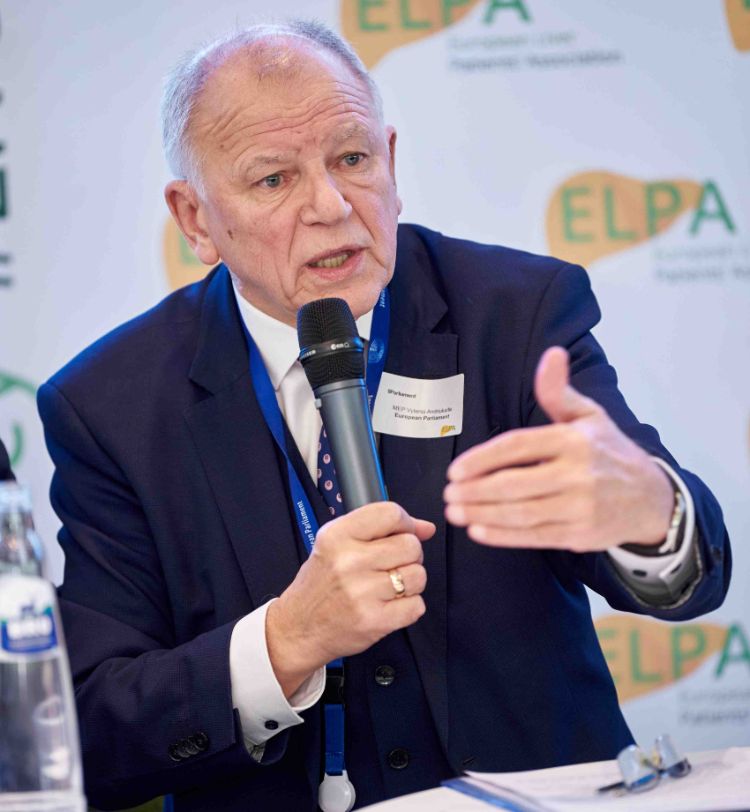 MEP Vytenis Andriukatis (Lithuania, S&D)
After the dynamic debate, came the talks, whereby a plethora of academics and health industry leaders could present their findings on early intervention in public health policies. First came Kremlin Wickramasinghe, Acting Head of the WHO Europe, who pointed out that non-communicable diseases (NCDs) cause 1.8 million avoidable deaths a year with obesity standing out as the main cause. In Europe, one in four primary school children are living with obesity and nearly 60% of adults face the same challenge. “Whether it is liver diseases, heart disease, cancer, diabetes,” he argued “our strategies should include both treatment and prevention, hand in hand to win.”
Alcohol consumption is another critical factor in liver health, as argued by Dr. Afsaneh Nejat of EuroHealthNet. The EU aimed to reduce per capita alcohol consumption by 10% between 2010 and 2025, but only achieved “4%”, with some countries actually seeing increases.
Prevention benefits only appear after the next election, so politicians rarely prioritize it
In continuing the focus on alcohol, hepatologist Frank Murray of the European Association for the Study of the Liver (EASL) presented slides on how alcohol causes 800,000 deaths in Europe a year due to the average European male having 31 drinks a week, plus the shocking stat that “25% of the population, consumes 75% of all alcohol, driving the industry’s profits.”
To most strikingly represent the public liver health crisis in Europe, Prof. Dr. Liesbeth van Rossum of Erasmus University used the visual analogy of a ‘house on fire’. Her message was that the fire can be extinguished so long as “we act on both prevention and treatment” but if no action is taken then the blaze will consume even more lives.
 MEP András Tivadar Kulja (Hungary, EPP)
The next Ted talk included Hepatologist Pere Ginès of the Barcelona Institute of Digestive and Metabolic Diseases, Richard Hall co-founder of the UK-based Liver4Life and Dr. Peter Stachura, Member of the Slovakian National Council. Their debate focused on how we can use personalised, proactive care, including tools like AI, to move from reactive treatment to prevention, identifying those at highest risk and empowering them to act before irreversible damage occurs.
Before the next panel, epidemiologist Dr Harriet Rumgay of the International Agency for Research on Cancer was able to present her keynote “Setting the Scene: Epidemiology of Liver Cancer and Its Risk Factors”, which showed how liver disease costs the EU €2bn a year in terms of lost productivity. She also stressed the importance of continuing to implement the European Union’s Beating Cancer Plan and building on its success to deliver prevention, early detection, and treatment across Europe.
The audience then heard contributions from health legislators, MEPs Aurelijus Veryga and András Tivadar Kulja, as well as ELPA Director Milan Mishkovijk, Prof. Manuel Castro Cabezas of Erasmus University, and Giacomo Donnini of the Global Liver Institute.
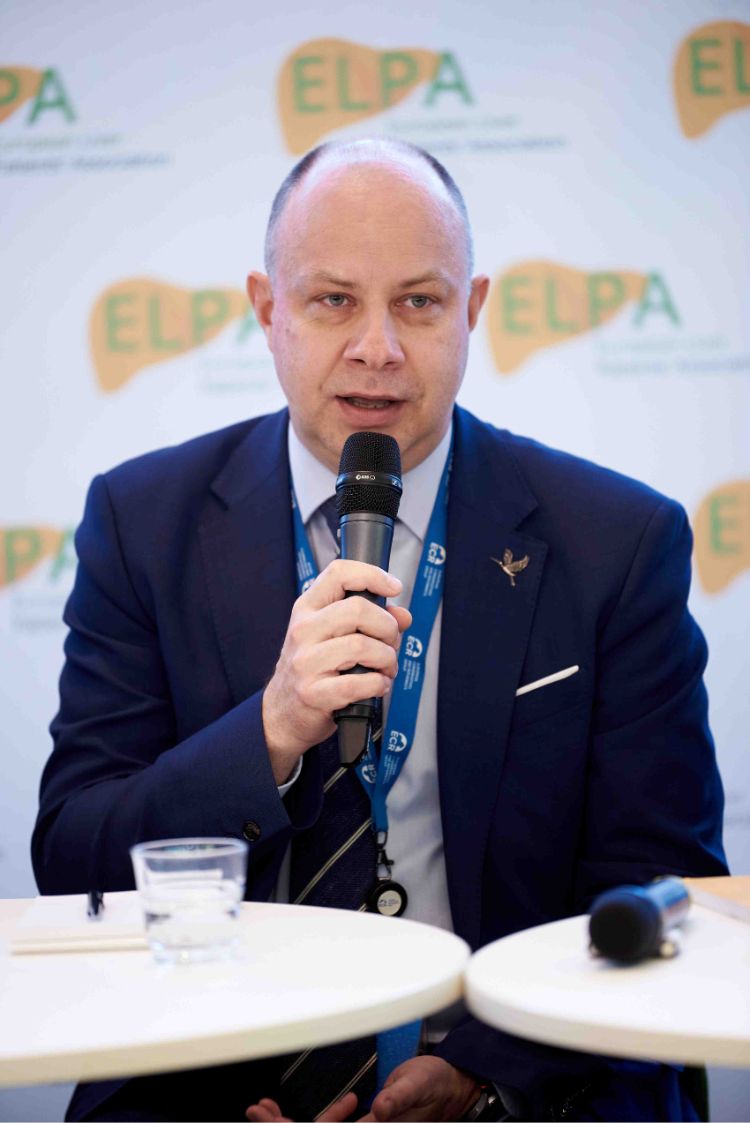 MEP Aurelijus Veryga (Lithuania, ECR)
They all stressed that addressing risk factors with one coordinated effort can also significantly reduce significant comorbidities related to cardiovascular conditions, obesity, diabetes, kidney disease, and overall mortality.
This was followed by keynote presentations from Milka Sokolivić, Director-General of the European Public Health Alliance (EPHA) and co-host MEP Tomislav Sokol, who argued that “prevention benefits only appear after the next election, so politicians rarely prioritize it”, noting that political action on liver disease will only happen if there is public pressure and relatable storytelling.
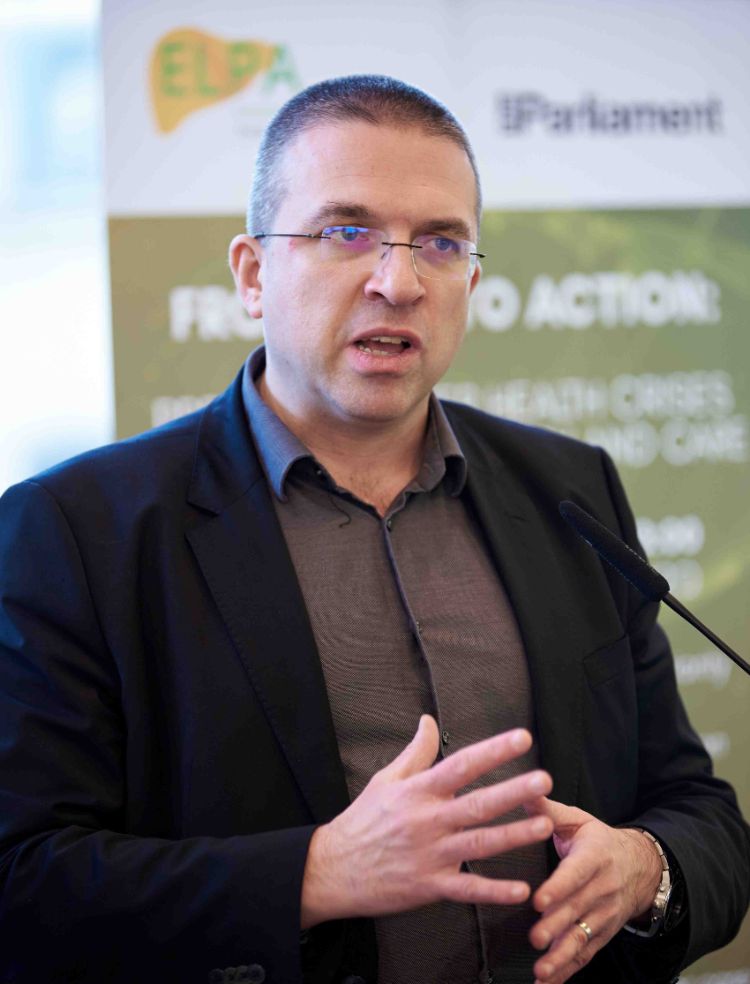 MEP Tomislav Sokol (Croatia, EPP)
Coincidentally, to tell his story patient-advocate Daniel Eadle was in the last panel alongside Korenjak and experts Prof. Patrizia Burra, Chair of United European Gastroenterology and Dr. Volkan Demirhan Yumuk, President of The European Association for the Study of Obesity. Eadle was living proof of early invention resulting in a much-improved quality of life.
The overriding message of the talks that day was clear. Europe has the knowledge and tools to prevent most liver disease, but only if prevention an early detection, combined with comprehensive integrated and equitable care, become real political priorities. With courageous leadership and pressure from patients and the public, this silent epidemic can still be stopped.
Sign up to The Parliament's weekly newsletter
Every Friday our editorial team goes behind the headlines to offer insight and analysis on the key stories driving the EU agenda. Subscribe for free here.