Europe’s housing crisis is often discussed in terms of affordability, supply shortages and construction costs. But new evidence suggests something equally urgent is being overlooked: Europeans are increasingly worried that their homes are simply not fit for the climate and health challenges they already face.
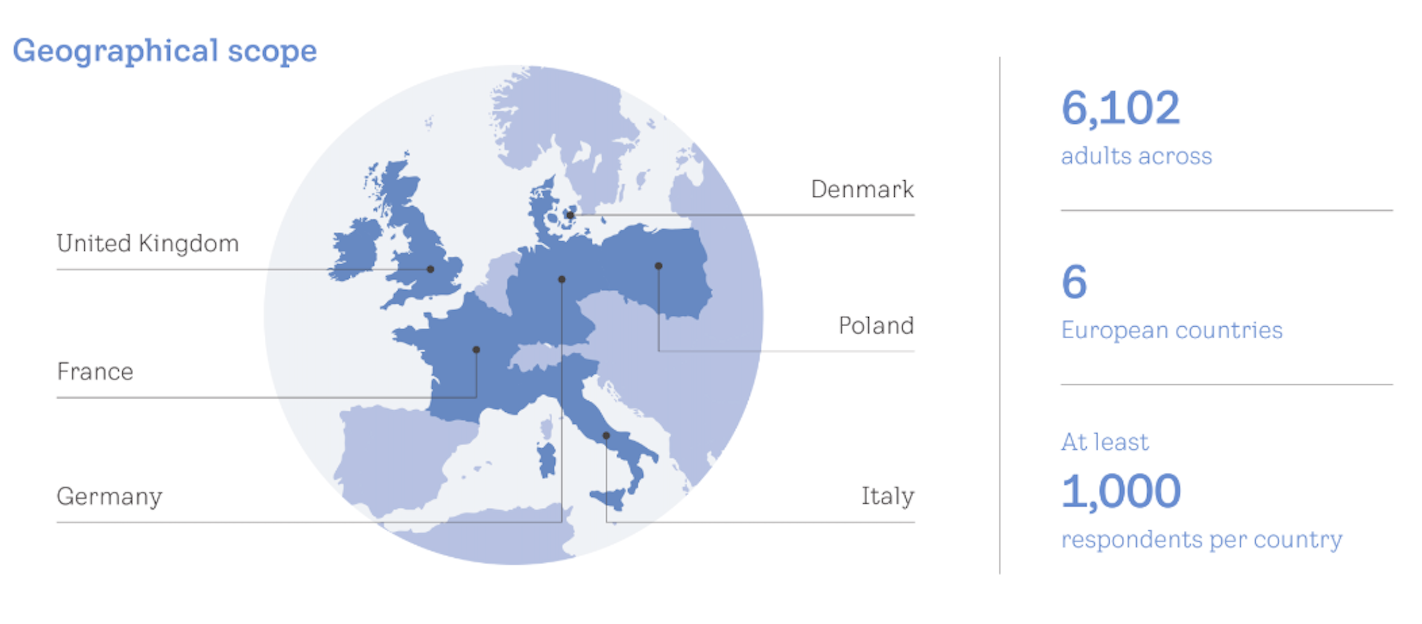
As part of our collaboration on the Healthy Buildings Barometer, a new EU-wide citizens survey conducted by BPIE and VELUX, covering more than 6,000 respondents across six countries (Denmark, France, Germany, Italy, Poland, UK), reveals a striking disconnect between how people experience their homes and how housing policy is currently framed.
Nearly half of the respondents (45%) believe their homes are not equipped to cope with extreme heat. This concern is shared across regions, with no clear north–south divide and extends beyond homes to schools and workplaces. With heatwaves becoming more frequent and intense and Europeans spending close to 90% of their time indoors, overheating is no longer a future risk.
Because when buildings fail to provide thermal comfort, good air quality or adequate daylight - the core of Indoor Environment Quality (IEQ) - the consequences are not abstract: productivity drops, health suffers, and inequalities deepen. Hit first and hardest are those living in energy inefficient or poorly ventilated homes which are often low-income households and tenants.
Europeans are increasingly worried that their homes are simply not fit for the climate and health challenges they already face
What is particularly striking is that citizens are ahead of policy. Around six in ten of the respondents support stricter rules to ensure buildings better promote health and well‑being. Nearly 60% would back governments reallocating public funds to prioritise healthier building renovations - even if that means taking resources from other areas.
Yet, 70% say they are unaware of any existing healthy building standards. This points to a major gap: there is strong public support for action but a lack of clarity, visibility and implementation.
These findings come at an important moment as the EU has just launched its first Affordable Housing Plan, rightly placing housing higher on the political agenda. The Plan recognises that affordability, sustainability and quality must go hand in hand. What’s key for us in this debate is that the survey evidence clearly shows that for citizens, health and climate resilience are not optional add-ons but core expectations.
This also must be applied in the implementation of the Energy Performance of Buildings Directive and factored in the upcoming Heating and Cooling Strategy and the European Climate Resilience Framework expected at the end of 2026.
If Europe wants to address its housing crisis effectively and encourage more EU citizens to renovate, we must start from this lived reality
If Europe wants to address its housing crisis effectively and encourage more EU citizens to renovate, we must start from this lived reality.
The message from citizens is clear: they want healthier, more resilient homes. And they are ready to support action. What they need is leadership that turns evidence into delivery through clearer standards, better information and targeted investments that improve everyday living conditions.
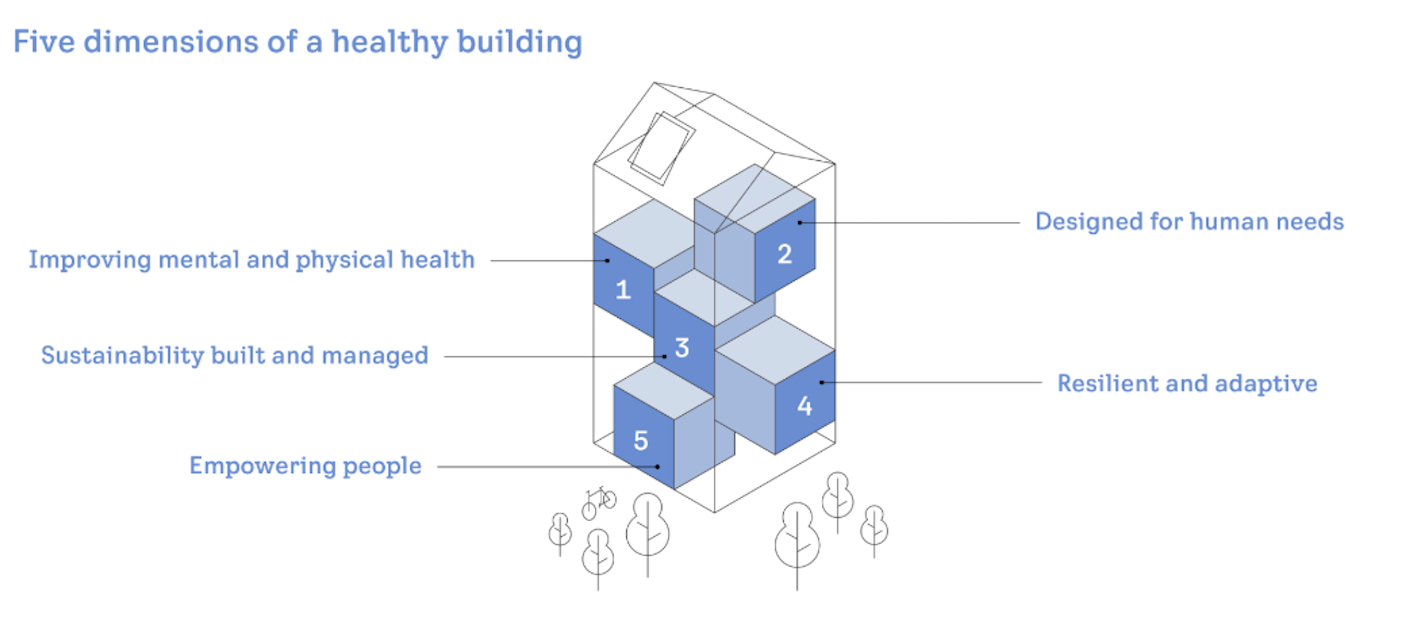
Our next edition of the Healthy Buildings Barometer will explore these issues in greater depth, showing how indoor environments shape physical and mental well‑being.
Listening to citizens is not just good politics. It is the only credible starting point for a housing policy that is affordable, sustainable and healthy.
Find out more about how more than 6,000 respondents across Denmark, France, Germany, Italy, Poland and the UK experience their homes and their insights on how housing policy can improve it
This article is a joint contribution from:
- Fleming Voetmann, Vice President of Public Affairs and Regulatory Affairs, VELUX
- Oliver Rapf, Executive Director, BPIE
In partnership with


Sign up to The Parliament's weekly newsletter
Every Friday our editorial team goes behind the headlines to offer insight and analysis on the key stories driving the EU agenda. Subscribe for free here.