This year’s edition of the Forum is held under the theme “The Architecture of a New Order – Stability in Times of Change,” reflecting the scale of the challenges currently facing Europe and the world. In the face of growing geopolitical tensions—the war in Ukraine, conflicts in the Middle East, and the evolving balance of power on the international stage—states and international organizations are seeking new mechanisms to ensure security, resilience, and stable development.
Structures of cooperation and security, such as the European Union and NATO, are playing an increasingly important role, strengthening political, economic, and military coordination. At the same time, the growing significance of countries such as China and India is accelerating the emergence of a multipolar world order. In this new architecture, energy security, economic resilience, and the development of strategic technologies—including artificial intelligence and cybersecurity—are also gaining particular importance. Stability in times of dynamic change requires flexible institutions, the capacity for dialogue, and the ability to respond jointly to global crises.
Registration for the Forum is now open. Join leaders from the worlds of politics, business, academia, and culture to discuss the future of Europe
The Economic Forum is an event of unique scale—each year it gathers over 6,000 guests from around 60 countries worldwide. The conference program includes more than 500 substantive events, including plenary sessions, panel discussions, debates, lectures, workshops, author meetings, and special talks. Among the Forum’s participants and speakers are presidents, prime ministers, ministers, business leaders, university rectors, representatives of local governments, and figures from the worlds of academia and culture from across Europe.
The motto of this year’s edition defines the main thematic axis of the Forum, around which events are concentrated within eight leading program areas, including: AI Forum, Cybersecurity Forum, Health Care Forum, Regions Forum, Economy, International Politics and Security, Society, and Sustainable Development.
In the previous edition, the Health Care Forum was attended by 750 sector representatives, including over 200 hospital directors. The Regions Forum, in turn, brought together more than 1,000 representatives of local government, including 16 marshals and deputy marshals of voivodeships, 49 city mayors, and 149 town mayors.
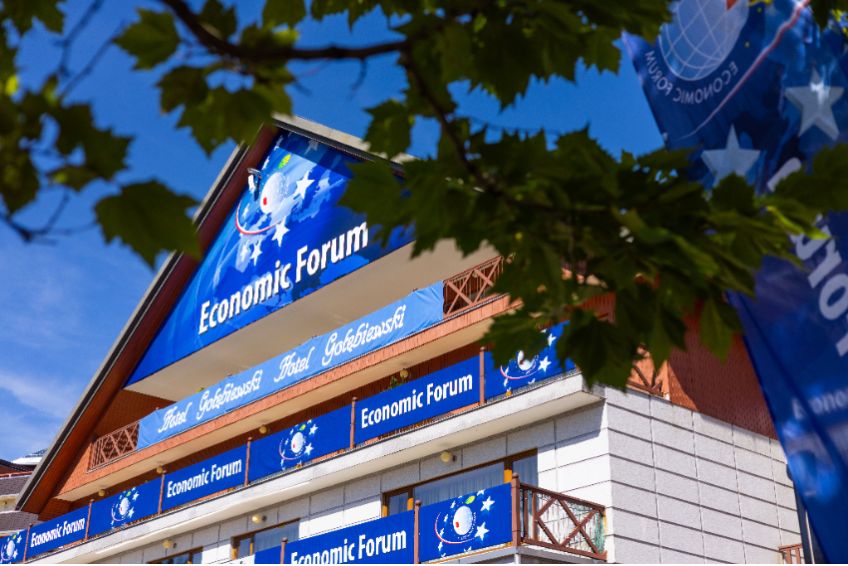
The conference is also a meeting place for over 500 experts from more than 150 universities and research institutes, who are already seeking innovative answers to the challenges of the future. The program will also feature prestigious presentations, such as the SGH and Economic Forum Report, which traditionally opens the event, and the Financial Ranking of Local Governments, regarded as the most comprehensive study of the financial condition of local government units in Poland.
An integral part of the Forum is also its cultural program—concerts, film screenings, and author meetings. Each day of deliberations concludes with ceremonial galas during which awards are presented, including Person of the Year and Company of the Year.
The Economic Forum is not only a space for the exchange of views and inspiring debates, but also one of the most important networking events in Poland. Last year, it was co-created by 355 partners, including 146 business partners, 110 institutional partners, and 83 media partners. The Forum is also characterized by the highest AVE among conferences in Poland, exceeding PLN 180 million. The Conference Center at the Gołębiewski Hotel also features an extensive exhibition area of nearly 5,000 m².
The Main Partner of the Economic Forum in Karpacz is the Marshal’s Office of the Lower Silesian Voivodeship. The organizer of the Economic Forum is the Institute of Eastern Studies Foundation. The Foundation’s mission is to create a platform for dialogue and cooperation between key sectors from Poland and abroad, with the aim of strengthening Poland’s international position, increasing the inflow of Foreign Direct Investment (FDI), and supporting local communities.
Registration for the Forum is now open. Join leaders from the worlds of politics, business, academia, and culture to discuss the future of Europe
Sign up to The Parliament's weekly newsletter
Every Friday our editorial team goes behind the headlines to offer insight and analysis on the key stories driving the EU agenda. Subscribe for free here.